How to Pick the Right Equipment for Your Fence
Choosing a fencing isn't practically selecting a design that looks excellent in daylight. The genuine success or failing normally comes down to hardware options: the articles, braces, bolts, supports, joints, latches, and the tiny pieces that determine whether your fencing remains straight or becomes a wobbly grid of compromises.
I've seen "ideal" boards and panels installed with the wrong hardware, and I've seen simple material systems outlast flashier builds since the installer respected load courses, corrosion, and correct attachment. If you're working with a fencing contractor or a fencing company, ask exactly how they construct the fence mechanically, not simply cosmetically. The hardware is the skeleton.
Start with the work, not the catalog
Before you consider joints or brackets, slow down and map the demands your fence will certainly face. Hardware has to match the tons, the environment, and the method the fencing will certainly move over time.
Wind is the evident one, yet it's not the only load. Chain-link fences see tension pressures all day long. Picket fences see lateral racking lots and repeated effects from spheres, youngsters, and lawn equipment. Personal privacy fencings and slatted styles can behave like sails if the spacing and rail structure aren't intended. Also a "straight run" has weak points, usually at corners, at gateway best fence company openings, and where the terrain changes.
Then there's the atmosphere. Coastal air can damage bolts promptly. Wet dirt, freeze-thaw cycles, and lawn sprinkler overspray can remove finishes and welcome corrosion at the specific areas you can not conveniently examine when the fence is in.
A good fencing system is a team. Equipment that operates in one setup can fall short in another because of how parts call, galvanic capacity between metals, covering density, or basic geometry.
The equipment classifications people neglect they're choosing
When home owners talk about fence prices, they usually point out panels and articles. They might not understand the amount of other "invisible" options are being made.
Here are the locations that matter most, because they directly manage strength, positioning, and long life:
- Post system and anchoring hardware: post dimension, message brackets, sleeves, concrete kind information, and whether hardware is ranked for direct funeral or needs correct stand-off.
- Rails and connections: rail kind, spacing, brace design, and just how rails lock right into messages without loosening.
- Fasteners: screws, nails, carriage screws, lag bolts, washers, and the finishing or quality behind them.
- Gate hardware: joints, lock kind, positioning hardware, quits, and in some cases stress equipment for droop control.
- Corrosion management: covering compatibility, water drainage information, and the method water is prevented from resting against metal surfaces.
Those groups aren't glamorous, but they are where fencing efficiency is decided.
Posts: hardware that starts the entire issue or resolves it early
Most fencing failures I've seen trace back to the article system. The article might be "great" for looks, but the hardware around it can still trigger collapse via activity and corrosion.
Post material and compatibility
Metal messages (usually steel) need a truthful rust strategy. If you're matching steel articles with galvanized rails and stainless fasteners, that can be an excellent combination, but it has to be done deliberately. Blending arbitrary steels without thinking of galvanic corrosion can reduce life span, specifically where salt air is present.
If you use treated timber articles, your screws and bolts need to be compatible with pressure-treated lumber. The factor is not brand commitment, it's chemical compatibility and the right bolt layout so the connection does not wear away in the very first couple of seasons.
Anchoring depth and the equipment that makes it stick
Direct burial and concrete embedments both job when done appropriately. The "hardware" component appears in how the post is set up: whether there's a proper ground, whether there's a sleeve, whether the top of concrete is sloped to lose water, and whether corrosion obstacles exist where steel meets concrete.
If you select concrete without a strategy to avoid water from wicking along the post, the blog post may last much longer than a dry-burial situation, but it can still fail at the interface. In a similar way, a shallow embedment can feel solid at set up and then begin loosening up as freeze-thaw stress cycles repeat.
Brackets and stand-offs
Post brackets and base plates can be practical, particularly where you can not pour big footings. But those remedies are delicate to drainage and spacing. A base plate that catches dampness under a message or a bracket that leaves little clearance for airflow can increase corrosion.
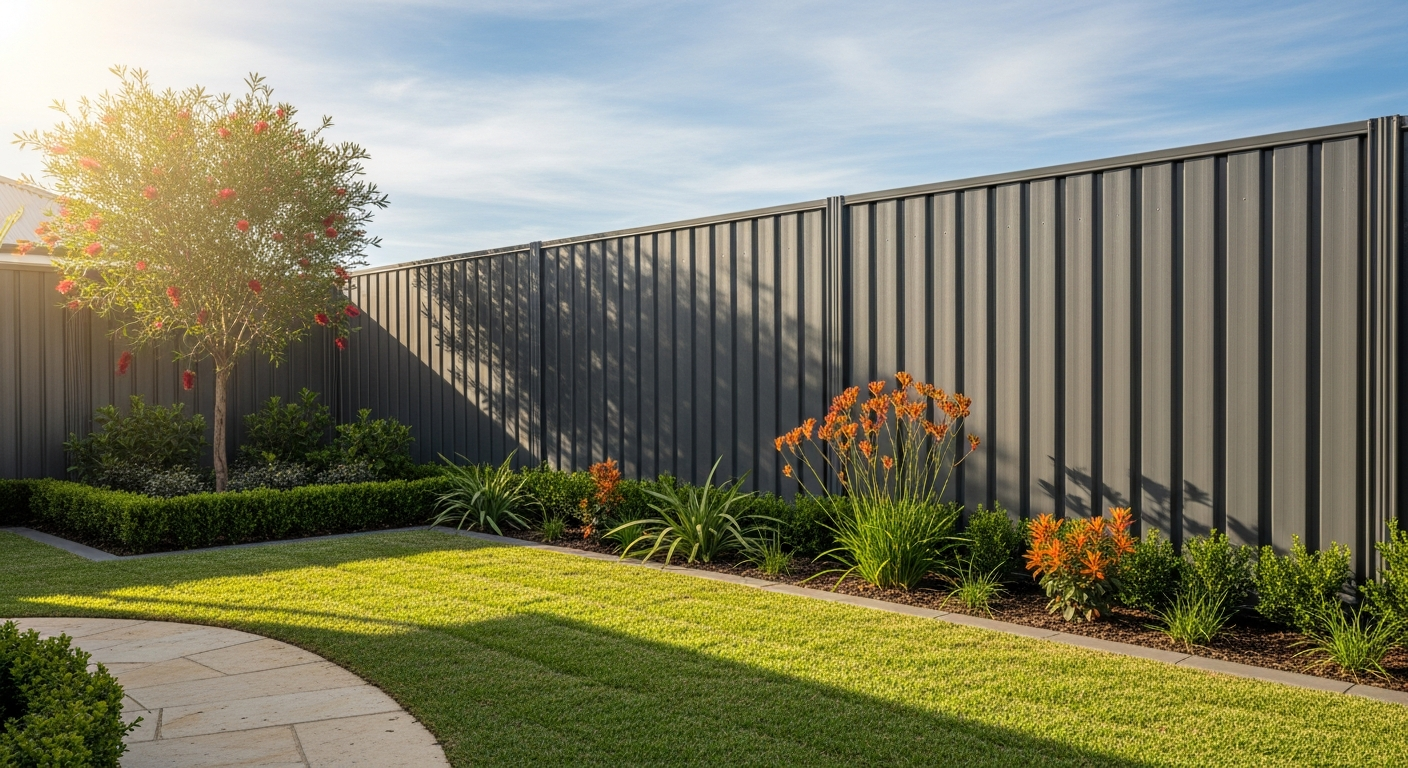
A fencing contractor or fencing company need to have the ability to explain their method: whether they use stand-offs, how they maintain water from resting, and what they anticipate the article to do gradually. If the answer is "it's common," that's a warning, not comfort.
Brackets and rails: the hidden mechanics of fencing alignment
A fencing doesn't fall short all at once. It slowly sheds geometry. Rails sag, connection points loosen, and then panels change. By the time you discover it, the equipment has currently taken the hit.
Choosing rail and bracket hardware has to do with tons path. Tons ought to https://www.facebook.com/61557710771508_122247736022257025 take a trip from panels to rails to messages without bouncing around at the connection points.
Connection toughness defeats appearance
Brackets resemble straightforward items of steel. Actually, the style impacts exactly how the fencing stands up to racking. If the brace flexes or the bolts loosen, placement drifts.
You'll frequently see this very first at corners. Corners take multidirectional tension. If your hardware at edges is underbuilt, the fence run length can still look fine while edge blog posts tilt and rails twist.
Don't disregard rail spacing
Rail spacing is a structural option, not a style choice. Too vast a span in between rails can overload bolts and trigger pull-through or warping. Also tight a spacing can be pricey and still not solve the actual concern if connections are weak.
If you're coordinating with a fencing contractor, ask what brace and rail configuration they prepare to utilize for your fencing type and height. The "right" response is not global, it's based upon the loading your setup expects.
Fasteners: the tiny parts that decide if your fencing remains tight
Fasteners are where a fencing transforms from "installed" into "kept." The wrong fastener option can cause loosening, discoloration, and early corrosion.
Corrosion resistance is not optional
Galvanized or covered bolts can work well when they match the setting, but coating issues. In seaside environments, I've seen equipment corrosion around heads and washers even when the fence framework looks fine. That's usually an indication the fastener covering or compatibility is unqualified the stress.
Stainless fasteners are wonderful in harsh seaside or chemical environments, however they set you back even more and require the ideal configuration so they clamp correctly without leaving water entraped. Light weight aluminum equipment can also be an issue in particular combinations, not since aluminum is naturally weak, but due to the fact that it behaves differently when revealed to dampness and contact with different metals.
Use the best bolt type for the job
It's not simply "more powerful is better." A fastener can be corrosion-resistant and still stop working if it's not developed for the material. For instance:
- Screws that operate in timber might not bite reliably in steel without the appropriate pilot and thread engagement.
- Nails that seem great at first can loosen up under vibration and duplicated loading.
- Carriage screws can create strong clamp joints, however if the washing machines are wrong or the joint catches water, rust can still damage the connection.
The goal is a bolt that supplies lasting securing pressure, remains rust immune, and matches the surface area it's attacking into.
Washers and spacing issue more than people think
Washers spread tons and assistance stop pull-through. They likewise take care of contact between different surface areas. Missing washing machines or using the incorrect washer profile can cause distortion of rail members and steady loosening at the joint.
When you consider quotes from a fence company or a fencing contractor, pay attention to just how they define bolts. If the proposal simply states "screws and bolts," it's not enough information to review durability.
Quick peace of mind question (the one I ask)
When equipment information are obscure, I ask: "What's the fastener finish and grade you're using, and are they suitable with the message material?" A legitimate fencing contractor can answer that plainly.
Gate hardware: where fences gain or lose your trust
Gates are one of the most mistreated part of a fencing system. People lean on them, knock them, drag things with, and forget to shut them carefully. Equipment options for gateways need to handle duplicated tons and preserve positioning over time.
Hinges and installing alignment
Gate joints take bending stress and twisting pressures. The joint layout, the variety of hinge factors, and just how they're installed all issue. If the gate article is slightly out of plumb or the joint configuration does not support the full gateway weight and leverage, you'll feel it quickly, and you'll see droop quicker than you expect.
Latches and catches
A great latch is more than a lock. It needs to direct eviction to the closed setting and stand up to racking pressures. Inexpensive or improperly developed latches can produce a gap that requires eviction to relocate versus the lock, which loosens up screws and deforms framing.
Sag control
Some gates need tension or extra equipment to prevent sag. In practice, it's frequently not remarkable droop in the beginning. It's minor misalignment that grows with seasonally altering wood dampness content, temperature level development, or minor post activity from dirt settling.
If your entrance hardware consists of adjustment features, that's a big plus. It suggests future positioning can be dealt with without replacing everything.
Concrete, sleeves, and the water trouble everybody ignores
Water administration is the silent hero of fence long life. Equipment interacts with water in foreseeable ways.
Concrete can assist maintain messages, but it can likewise come to be a moisture catch depending on details. Article sleeves can help if you want replaceable blog posts, yet they require correct fit and drain. Even when the fence looks completely dry, water can sit around metal connections.
One real-world pattern I have actually seen: fencings that start great but develop rust spotting at connection factors around year 2 to 3. When people ask why, the response frequents the interface. Water is wicking along the message or merging under a bracket, and the bolts are living their worst life right at the joint.
A fencing contractor who recognizes drainage will discuss it without making it challenging. They ought to define how they prevent water from sitting at the base and at steel call points.
Materials and atmospheres: match the equipment to the corrosion reality
Material choice and hardware choice can't be divided. A fencing can be "constructed right" and still fail early if the hardware can not survive the environment.
If you're near the sea, consider how salt air speeds up corrosion. If you're in heavy freeze-thaw, consider just how repeated activity can loosen up bolts and tension connections. If you live where lawn sprinklers strike the fencing line, bolts and layers take constant wetness exposure.
Here's a functional means to think about it.
A brief decision lens for selecting hardware
- Identify your deterioration pressure: coastal air, wet soil, consistent sprinkler direct exposure, or chemical drift from neighboring sources.
- Decide which metals you're making use of for posts, rails, and bolts, after that inspect compatibility and layer behavior.
- Choose bolts that maintain securing force in time because moisture level.
- Select gateway hardware that can be adjusted as placement changes.
- Demand setup details that manage water at joints and post bases.
That appears straightforward, however the difference in between a long-lasting fencing and a troublesome one is often whether the installer dealt with those steps as genuine decisions as opposed to guesswork.
The details you can ask for from a fence company
When you're paying real cash, you ought to have the ability to request specifics without getting pushback. The goal is not to micromanage. The objective is to verify the equipment strategy matches the fencing design and your site.
Here are the inquiries that generally reveal the reality fast:
- What precise post hardware or anchoring method are you utilizing at edges and gateway openings?
- What fastener finish and grade are installed for rails and pickets, and are they compatible with the message material?
- Which joint and latch models are prepared for eviction, and are they adjustable?
- How do you prevent water from pooling at blog post bases and rail joints?
If the fencing contractor can answer clearly, you're likely looking at a team that builds fencings with mechanical intent, not simply assembly.
Trade-offs that matter when spending plan and toughness collide
Bold fact: every equipment choice is a trade-off. The expensive alternative can still be wrong if it's not matched to your fence kind or setting. The least expensive alternative can function only if the problems are light and the installation information are excellent.
Cost vs longevity
It's appealing to shave cost by utilizing standard bolts or fewer equipment components at edges and gateways. Those are generally the places that see one of the most stress. Over time, "conserving" there is frequently repaid with tightening journeys, replacement check outs, and uneven fencing alignment that makes future fixings harder.
Strength vs deterioration resistance
A high-strength fastener that rusts rapidly is not solid at all. And a corrosion-resistant bolt can be weak in clamp efficiency if it's not designed for the joint and material.
Ease of future maintenance
Some fencings are harder to adjust after installation due to the fact that hardware is hidden or unattainable. If you can choose equipment that supports change, you might invest a little more today and save time later on when your fencing changes because of soil settling or seasonal movement.
Hardware specifications that influence efficiency greater than people realize
Without getting lost in technological lingo, a couple of spec classifications determine results.
First is load rating and desired use Equipment marketed for a deck is not always made for fencing, which can see various resonance and lateral loading patterns. Second is coating kind and thickness Third is fastener dimension, thread kind, and penetration Fourth is how hardware takes care of water and movement
Even the alignment of a bracket or the positioning of a washer can transform exactly how water acts. A joint that remains dry lasts longer, and a joint that stays secured withstands loosening.
A quick field narrative: the fencing that looked perfect till it did n'thtmlplcehlder 222end.
Years back, I saw a next-door neighbor's fencing go in quickly. The boards were right, the color matched your house, and the lines festinated. Within a season, the gate began dragging, not because the lock was damaged, however due to the fact that hinges loosened up a little and the post shifted just enough for eviction to sag.
The repair service was not about changing the fencing. It was about updating hinge equipment, switching bolts to a better corrosion-resistant option, and correcting just how the gate message was secured. The fencing panels were fine. The equipment was the weak link.
That story stuck to me, and it's why I'm so solid concerning hardware option. Fence design sells the concept, but hardware makes the trust.
How to prepare your equipment around fencing type
Fence style influences equipment demands. A strong privacy fence acts in different ways than an open picket fence. Chain-link relies greatly on stress and tension equipment. Latticework and attractive panels can include wind lots through area and can transfer vibration right into rail connections.
When you pick hardware, consider the fencing's "shape under stress." If the fencing acts like a panel that captures wind, rails and links need to manage more side load. If it's more open and flexible, the post activity tolerance could vary, and entrance equipment still requires to stay aligned.
A fencing contractor will normally already understand this, yet it helps to confirm that the hardware option is consistent with the fencing kind and height you're building.
Final list prior to you sign off on hardware
If you're evaluating a quote or walking through a job before installation begins, these are the items I 'd want pin down. Not since you're attempting to be a service provider, but since you're paying for long-lasting performance.
- Hardware at edges and gate openings matches the expected tons, not simply the basic run.
- Fasteners are defined with finishing type or material grade, not simply "screws" or "screws."
- Gate joints and latches include proper mounting equipment and provide adjustment where needed.
- Post anchoring technique consists of water monitoring information at the base and at steel joints.
- The fence company can explain why their equipment selections fit your environment, seaside, wet, freeze-thaw, or heavy sprinkler exposure.
If any of these locations are unclear, ask follow-up inquiries. A trusted fencing contractor or fence company should invite clearness. The appropriate hardware strategy isn't a sales pitch, it's a toughness strategy.
When you choose hardware intentionally, your fence quits being an annual job and becomes something you mostly forget about, in addition to the way it looks when everything is still limited, straight, and solid. That's the real win.